Crafting Exceptional Custom Produce Boxes: A Progressive Walkthrough
Designing specialized fruit and vegetable boxes calls for a deliberate method. Specialists must assess environmental impact, practicality, and aesthetics. Choosing the right materials is crucial for preserving quality and advancing environmentally conscious methods. Additionally, size and shape can significantly impact usability and shipping effectiveness. Impactful graphics enhance company identity, while full details detailed assessment guarantees durability. Comprehending these elements will reveal key insights into producing remarkable packaging strategies that appeal to consumers. What comes next is essential to reaching those goals.
Selecting the Appropriate Materials for Custom Produce Boxes
When selecting materials for custom produce boxes, it is critical to assess both functionality and environmental impact. The choice of material considerably influences the box's durability, weight, and function to protect the contents. Common materials feature corrugated cardboard, which supplies strength and is able to be recycled, making it a preferred choice for sustainability-focused businesses. Biodegradable options, such as molded pulp or plant-based plastics, also embrace sustainable practices while offering sufficient protection for delicate produce.
In addition, moisture resistance is essential for maintaining freshness, prompting some producers to explore conditioned compounds or tailored protective barriers. The visual quality of the box requires attention, as brand identity and visual communication can influence consumer perception. Ultimately, the optimal choice should maintain proportion between safeguarding products, appealing to customers, and adhering to environmental standards, ensuring both functionality and sustainability are prioritized in the design process.
How to Select Size and Shape for Functionality?
When determining the form and dimensions of custom produce boxes, thorough evaluation of produce dimensions is essential for effective storage. Additionally, considerations for movement and transportation can impact the box structure, guaranteeing ease of movement. Maximizing shelf space usage further improves functionality, allowing for efficient display and storage.
Evaluate Produce Dimensions Carefully
Determining the proper proportions for vegetable containers is vital for functionality and efficiency. Thorough assessment of produce dimensions is essential, as it confirms that items fit tightly without unnecessary space that might create damage during warehousing and delivery. Specialized boxes need to handle various configurations, from tender fruits to oversized produce, while maintaining robustness. Additionally, the height and width of the boxes should support efficient stacking and inventory control, optimizing space in warehouse spaces. A expertly crafted container not only preserves the produce but also boosts consumer appeal for shoppers. Ultimately, meticulous planning of dimensions aids in minimizing waste and improving supply chain experience in the logistics network.
Think About Managing Handling and Transport
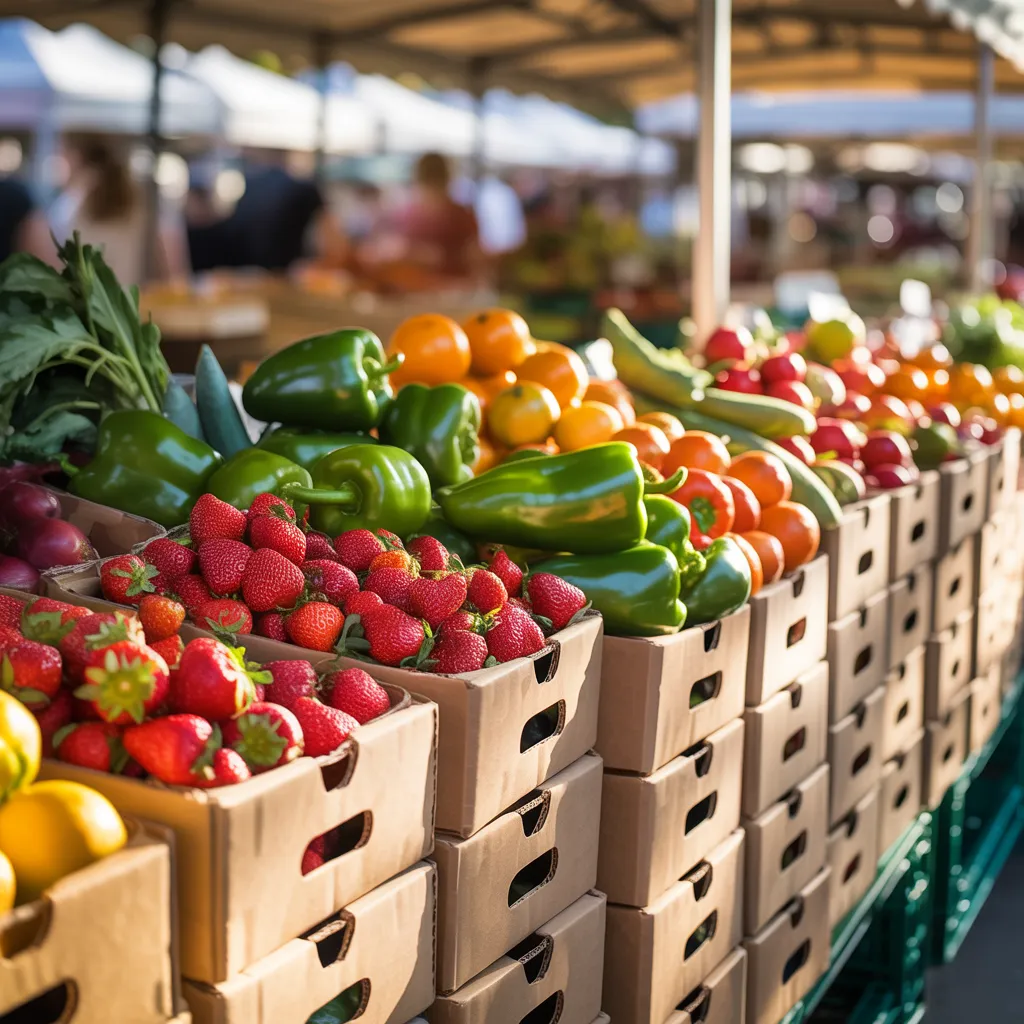
Handling and logistics factors serve as a considerable role in ascertaining the appropriate size and shape of custom agricultural packaging. The proportions must fit the produce lacking excessive room, which could result in shifting and deterioration throughout transit. Smaller, compact boxes provide more straightforward handling, whereas bigger containers could become vital for bulkier goods. Moreover, proper ergonomics proves critical; handles or openings should be strategically placed to allow for pleasant hoisting and moving. The configuration that makes up the box likewise affects nesting and balance, ensuring that items remain protected. Ultimately, thoughtful review pertaining to such factors boosts the streamlining in transport, lessens goods damage, and preserves the comprehensive integrity concerning the produce from orchard reaching purchaser.
Optimize Shelf Space Usage
Smart shelf space usage copyrights upon establishing the proper form and dimensions of custom storage containers. Specialists should take into account the dimensions of the storage shelves as well as the types of produce being positioned. Standard-shaped boxes often strengthen space optimization, allowing for easier arrangement and stacking. By contrast, irregular designs can heighten visual appeal but may lead towards wasted space if not meticulously planned.
It's essential to assess the inventory turnover rate; faster-moving items might gain advantages with smaller, easily accessible boxes. Furthermore, incorporating flexible or customizable structures can accommodate varying sizes of produce while optimizing shelf organization. By prioritizing functionality along with aesthetics, companies can create a functional and attractive presentation that boosts both ease of access and item prominence.
How to Build Artwork That Command Attention?
Striking graphics can convert a simple custom produce box into a visual masterpiece that grabs attention. To achieve this, designers should start by picking a color scheme that reflects the freshness and vibrancy of the produce. Bold, attention-grabbing colors can evoke emotions of freshness and health, driving consumers to take a deeper glance.
Strong typography proves equally vital; readable typefaces can effectively communicate essential information while enhancing aesthetic charm. Moreover, using excellent photographs of the merchandise can build instant rapport, presenting the item's superiority and enticing potential buyers.
In addition, integrating unique patterns or illustrations can assist in distinguishing the brand in a crowded market. Uniformity in design elements, such as logos and taglines, supports brand identity. Ultimately, a mixture of artistic vision and straightforwardness in visual design can substantially improve the influence of custom produce boxes, making them stand out on shelves.
Eco-Friendly Practices for Custom Produce Box Wrapping
A surging number of firms are taking up eco-friendly standards for custom produce box packaging, appreciating its relevance in today's ecologically aware market. These practices often incorporate the use of degradable materials, such as recycled paper and plant-based plastics, which minimize environmental impact. Companies are also zeroing in on conscientious sourcing, ensuring that materials are obtained from responsibly managed forests or suppliers who copyright environmental stewardship.
In turn, numerous brands are choosing understated designs that minimize waste while still efficiently displaying their products. This technique not only resonates with eco-conscious consumers but also helps in reducing production costs. Moreover, businesses are increasingly adopting effective manufacturing processes that minimize energy consumption and waste generation. By incorporating these eco-friendly practices, companies not only improve their brand image but also contribute positively to the planet, positioning their operations with a sustainable future.
Inspect Your Custom Produce Box Structure
Assessing the structure of custom produce boxes is a vital step in verifying they fulfill both visual and functional specifications. This method typically involves reviewing aspects like durability, size, and usability. First, prototypes need to be created to evaluate the box's structural integrity, confirming it is able to endure delivery and storage without harming the contents.
Afterwards, performance tests can be undertaken to ascertain how readily the boxes can be accessed, closed, and stacked. Opinions from intended users can be crucial in this juncture, presenting viewpoints into the box's practicality.
Furthermore, the design's visual appeal should be evaluated through focus groups or surveys, measuring consumer reactions to brand components, color schemes, and general appearance.
Ultimately, extensive testing allows designers to refine the box, ensuring it not only attracts customers but also effectively protects and showcases the produce within, striking the right equilibrium between form and function.
Effectively Marketing Your Personalized Produce Boxes
Successful marketing of personalized vegetable containers demands a strategic approach that highlights their distinctive advantages and value. Companies should focus on identifying their intended customers, whether they are local farms, grocery stores, or individual consumers. Leveraging social networking sites can amplify brand awareness, showcasing the boxes' appearance and functionality through compelling visuals and storytelling.
Additionally, establishing partnerships with local influencers or farmers can strengthen standing and enlarge reach. Featuring promotions or discounts during peak demand times can capture early customers and support sustained patronage.
Furthermore, emphasizing sustainability and eco-friendliness in marketing materials can appeal to sustainability-focused buyers. Presenting detailed information about material sources and the benefits of bespoke packaging designs can further set apart the product in a saturated marketplace.
In the end, a detailed marketing strategy that blends digital and community-based undertakings will effectively promote custom produce boxes, appealing to a diverse clientele and driving sales.
Commonly Requested Questions
What Are the Expenses Connected With Custom Produce Box Creation?
Costs concerning custom produce box design comprise materials, printing, work hours, and shipping. Also, design consultation and minimum order quantities can determine overall expenses, creating different pricing structures based on unique needs and manufacturing scale.
How Much time Does Manufacturing of Custom Boxes Require?
The production of personalized packaging generally takes anywhere from two to six weeks. Elements influencing this timeline consist of design complexity, availability of materials, and manufacturing capacity, all of which can affect delivery schedules and turnaround periods.
May I Submit an Request for a Minimal Batch of Bespoke Produce Boxes?
Yes, small quantities of tailored vegetable containers can generally be ordered. Many suppliers offer base order requirements, allowing businesses or individuals to acquire tailored packaging solutions without having to pledge to large amounts initially.
What Are Common Mistakes to Prevent in Custom Box Layout?
Common mistakes in custom box design feature neglecting functionality, disregarding brand consistency, underestimating material quality, failing to consider target audience preferences, and overlooking environmental impact. Each aspect is essential for effective packaging and customer satisfaction.
What Precautions Should I Take to Verify My Boxes Are Safe for Food?
To ensure boxes remain safe for food consumption, you should choose materials approved for food contact, prevent harmful inks and adhesives, maintain cleanliness during production, and consistently monitor for compliance with health regulations and safety standards.